
Why you shouldn't be afraid of dental implantation and "rejection"?
Modern dental implantation is now an extremely safe procedure with biocompatible implants made of titanium, where the classic "rejection" is almost unthinkable - rare problems (2-5%) usually arise due to inadequate bone quality, smoking, diabetes or poor hygiene. The success rate can be increased to nearly 98% with careful planning (CBCT, bone grafting), sterile conditions and regular control, while the procedure is less painful than a tooth extraction under local anesthesia. In the long term, the implant serves stably for decades, does not decay and preserves the jawbone with proper care.

The question arises in many patients
„What if my body rejects the implant?”
This is a completely understandable concern, as a foreign substance is being introduced into the body. However, the good news is
is that modern dental implantation is now extremely safe and predictable
intervention.
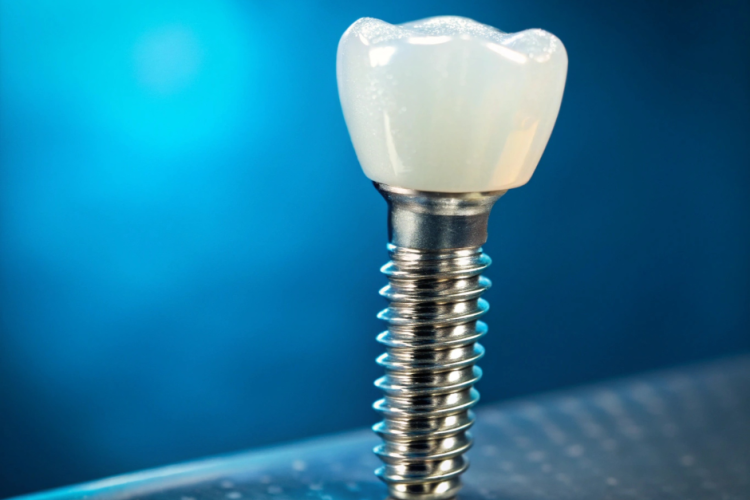
What exactly is a dental implant?
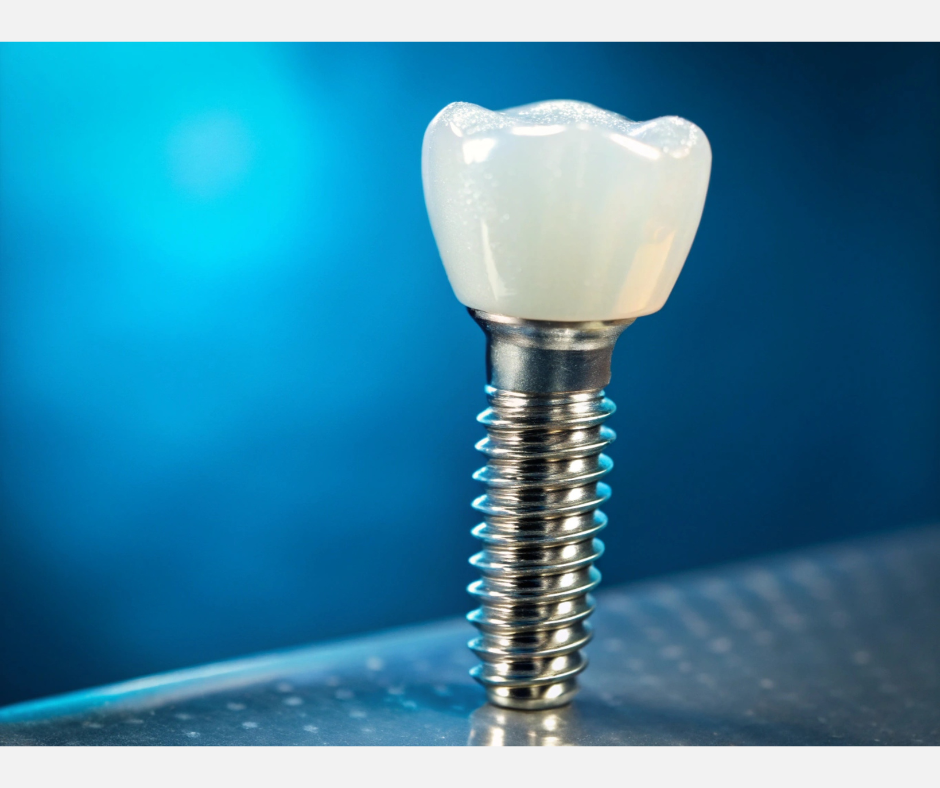
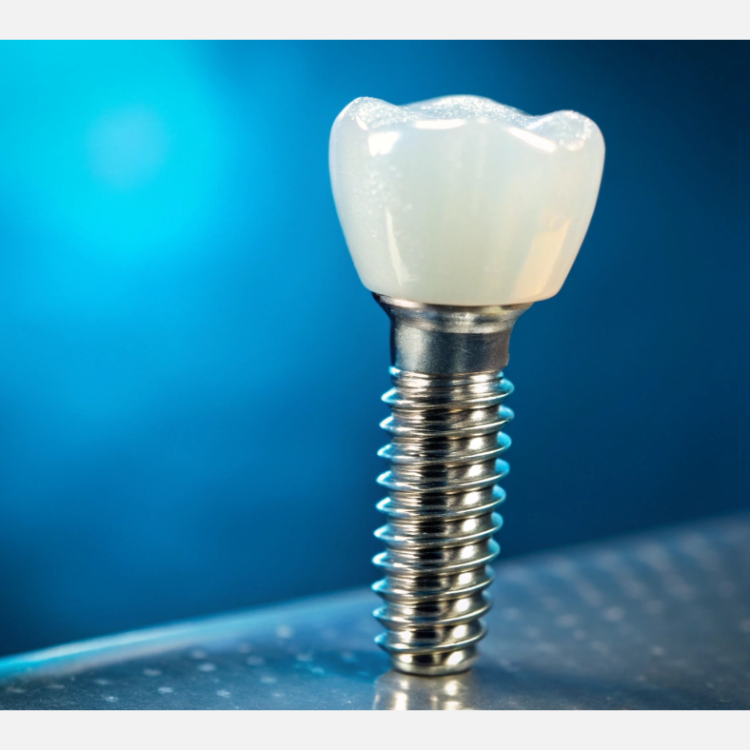
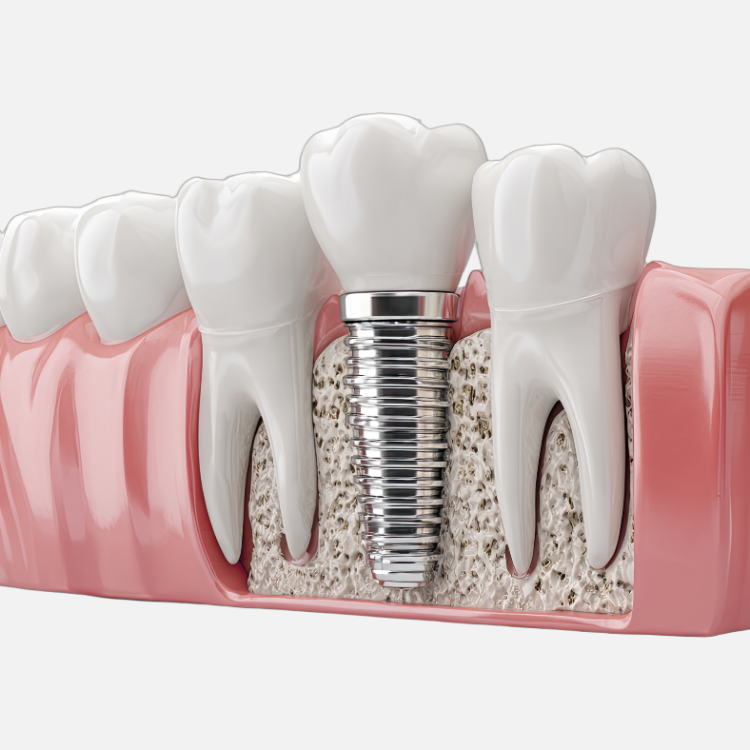
The implant is most often made of titanium – the same material that has been used for decades.
It has been successfully used in orthopedic prostheses (e.g. hip and knee implants) since.
The special thing about titanium is that it is biocompatible, meaning the body does not treat it as a foreign body.
What does "rejection" mean?
In everyday language we often talk about rejection, but in dentistry
With implants, rejection in the classical sense is almost non-existent.
What can rarely happen is that the implant does not ossify properly (this is called
called osseointegration).
This is not due to immunological reasons, but in general:
- inadequate bone quality or quantity
- smoking
- untreated diabetes
- poor oral hygiene
- too early loading
How common is implant loss?
According to statistics, the success rate of modern implants is 95–98%.
This means that only 2-5 out of 100 implants will have a problem, and these
most of them can also be treated or reimplanted.
How do we reduce the risk?
The key to success is careful planning and consideration of individual risks:
- detailed condition assessment and CBCT scan
- bone grafting if necessary
- sterile conditions
- personalized aftercare advice
- regular check-ups

Is implantation painful?
Many people are surprised, but implantation:
- is performed under local anesthesia
- often less uncomfortable than a tooth extraction
- Mild pain after the procedure can usually be treated well within 1–2 days.
What about the long term?
With proper care, the implant:
- It can serve for decades, even a lifetime.
- does not decay
- gives a stable, natural feel
- helps preserve the jawbone
Other entries
Why is wisdom tooth removal important?
Why is wisdom tooth removal important? Wisdom teeth – also known as third molars – usually emerge between the ages of 17 and 25....
Dental implant rejection: myth or reality?
Why you shouldn't be afraid of dental implantation and "rejection"? Modern dental implantation is now an extremely safe procedure made of titanium...